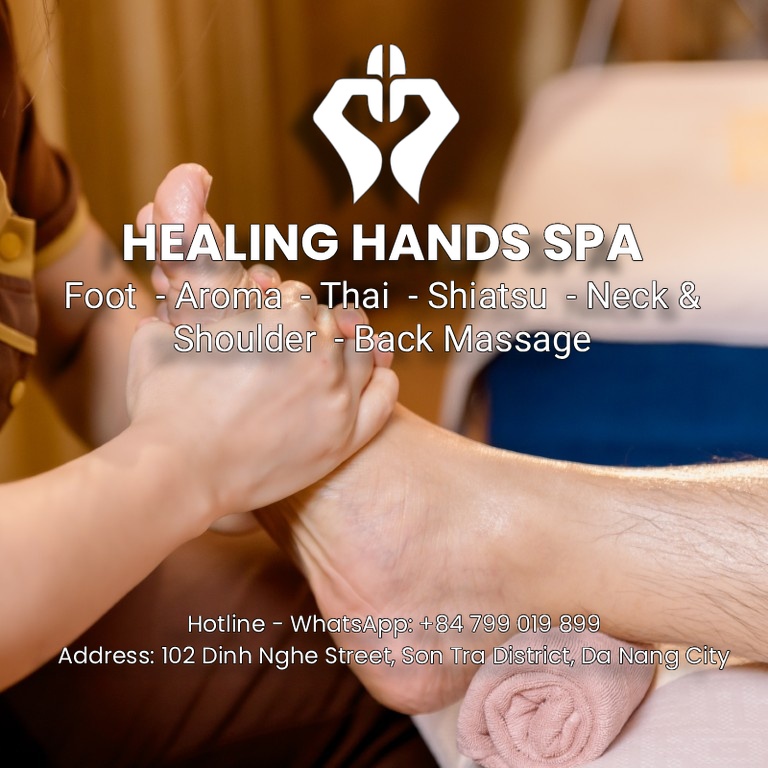
When it comes to holistic relaxation, two names often surface in conversation: Thai Massage and Body Massage. Both promise relief, but they differ in philosophy, technique, and the sensations they deliver. Understanding Thai Massage vs Body Massage helps you make an informed choice that aligns with your health goals, cultural curiosity, and personal comfort level. In this guide we explore the origins, methods, and key distinctions, giving you a clear roadmap to the perfect therapeutic experience.
Understanding Thai Massage
History and Philosophy
Thai massage, known locally as nuad bo rarn, traces its roots back over 2,500 years to ancient Siam. It blends Ayurvedic principles, Buddhist meditation, and traditional Chinese medicine, creating a practice that treats the body as a network of energy lines called sen. Practitioners view each session as a moving meditation, aiming to balance the flow of life force while encouraging deep stretching and joint mobility. This spiritual backdrop distinguishes Thai massage from many Western modalities, making it as much a mental reset as a physical one.
Techniques and Benefits
During a Thai massage, the therapist uses hands, thumbs, elbows, knees, and even feet to apply rhythmic pressure along the sen pathways. The client remains fully clothed on a firm mat, allowing the practitioner to guide the body through a series of yoga‑like stretches. Benefits include improved flexibility, reduced muscle tension, enhanced circulation, and a heightened sense of mindfulness. Because the practice incorporates both pressure and movement, many people report a feeling of “reset” that lasts well beyond the session.

Exploring Body Massage
Types of Body Massage
Body massage is an umbrella term that covers a wide array of techniques, each designed to address specific needs. Swedish massage, the most popular Western style, uses long, gliding strokes, kneading, and circular motions to promote relaxation and blood flow. Deep‑tissue massage targets the deeper layers of muscle and fascia, often employing slower, more intense pressure to alleviate chronic pain. Other variations such as hot‑stone, aromatherapy, and sports massage add unique elements like heated rocks or essential oils, tailoring the experience to individual preferences.
What to Expect in a Session
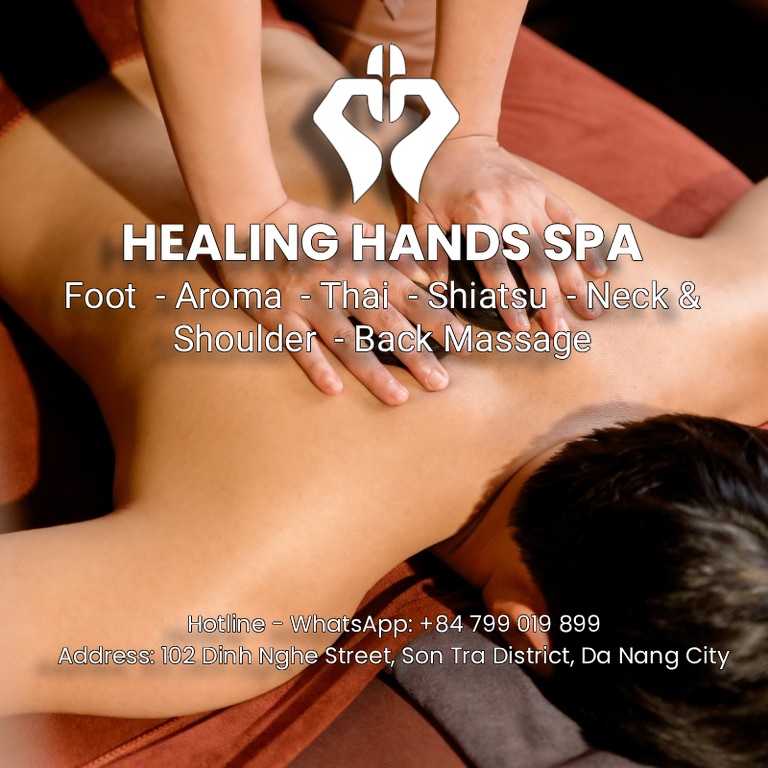
A typical body massage session takes place on a padded table, with the client draped in a sheet and unclothed except for undergarments. The therapist begins with a brief consultation to identify problem areas, then proceeds with a sequence of strokes that may vary in speed and pressure. The environment is usually quiet, with soft lighting and calming music, creating a sanctuary for stress release. Clients often leave feeling lighter, with reduced muscle soreness and a calmer mind.
Thai Massage vs Body Massage: Key Differences
Pressure and Movement
The most apparent contrast lies in how pressure is applied. Thai massage integrates rhythmic compressions and assisted stretches, while body massage relies on gliding strokes and static pressure. In Thai massage, the therapist often moves the client’s entire body into new positions, whereas body massage keeps the client relatively still, focusing on localized muscle work. This distinction influences the intensity level and the type of muscular release each method provides.
Therapeutic Goals
Thai massage aims to balance energy pathways, improve joint range of motion, and cultivate a meditative state. It is especially beneficial for people who enjoy an active, full‑body experience and who seek a blend of physical and spiritual wellness. Body massage, on the other hand, primarily targets muscle tension, circulation, and stress reduction. It is ideal for those who prefer a more passive, soothing environment and who want focused relief for specific aches or chronic conditions.
Cultural Experience
Choosing Thai massage vs Body massage also means choosing a cultural journey. Thai massage often incorporates traditional music, incense, and a therapist trained in centuries‑old techniques, offering a glimpse into Southeast Asian healing traditions. Body massage reflects Western spa culture, emphasizing comfort, privacy, and a clinical approach to muscle therapy. Your preference for cultural immersion can shape which modality feels more authentic and rewarding.
Choosing the Right Massage for You
Personal Health Goals
If your primary aim is to increase flexibility, improve posture, and engage in a mindful practice, Thai massage may be the better fit. Conversely, if you suffer from localized chronic pain, post‑workout soreness, or simply need a calming escape, a body massage—particularly Swedish or deep‑tissue—could deliver the targeted relief you seek. Assessing your health objectives helps narrow down the choice between Thai Massage vs Body Massage.
Lifestyle and Preference
Consider how much movement you enjoy during a session. Thai massage requires you to be active, following the therapist’s guidance through stretches and position changes. If you prefer to lie still and let the therapist work on you, a traditional body massage aligns better with that comfort level. Additionally, think about the setting: a mat on the floor in a serene studio versus a padded table in a spa lounge can affect your overall satisfaction.
Healing Hands Spa
Address: 102 Dinh Nghe Street, An Hai Ward, Son Tra District, Da Nang City.
Hotline - WhatsApp: +84 799 019 899
Email: [email protected]
Open Hour: 10:00 – 22:30

Whether you are drawn to the rhythmic flow of Thai Massage or the soothing strokes of a Body Massage, the decision ultimately rests on your personal wellness journey. Both practices offer profound benefits, and many clients find value in alternating between them to enjoy a well‑rounded therapeutic regimen. Ready to experience the difference for yourself? Book a session today and let our skilled therapists guide you toward lasting relaxation and renewed vitality.