Welcome to our comprehensive Full Body Massage Guide, designed to demystify the art of whole‑body relaxation and provide actionable insights for both newcomers and seasoned spa enthusiasts. Whether you seek relief from chronic tension, a boost in circulation, or simply a moment of tranquil escape, understanding the fundamentals will empower you to make informed choices. In the following sections we explore the science behind the practice, the most effective techniques, and practical tips to prepare for and extend the benefits of each session.
Understanding Full Body Massage
What Is a Full Body Massage?
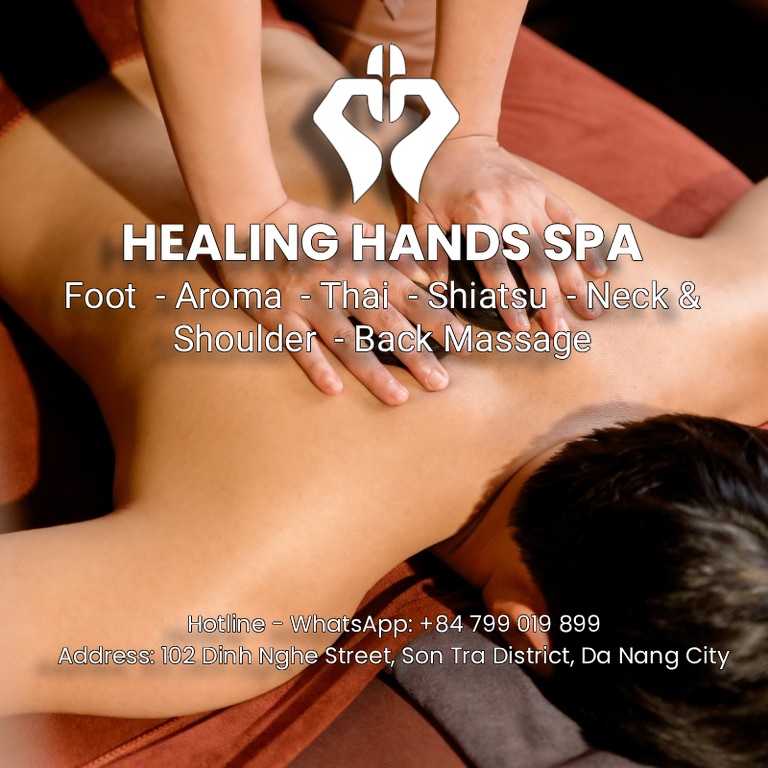
A full body massage involves systematic manipulation of muscles, connective tissue, and skin across the entire physique, from head to toe. Skilled therapists employ a blend of strokes—gliding, kneading, tapping, and stretching—to release built‑up tension and promote circulation. Unlike localized treatments that target a single area, this holistic approach balances energy flow, enhances flexibility, and supports the nervous system. By addressing multiple muscle groups in a single session, the experience often feels more harmonious and restorative.
Core Benefits
Scientific studies confirm that regular full body massage can lower cortisol levels, reduce blood pressure, and improve immune function. Clients frequently report decreased muscle soreness, heightened mental clarity, and a deeper sense of calm that extends beyond the treatment room. For athletes, the technique aids recovery by flushing metabolic waste and delivering oxygen‑rich blood to fatigued fibers. For office workers, it combats the effects of prolonged sitting, alleviating lower‑back strain and neck stiffness.
Techniques Covered in a Full Body Massage Guide
Swedish Stroke
Swedish massage remains the cornerstone of most full body sessions. The therapist uses long, flowing strokes called effleurage to warm up the muscles, followed by petrissage (kneading) to break down adhesions. These movements improve lymphatic drainage and promote a gentle, soothing sensation ideal for first‑time clients. When combined with light percussion, the technique also stimulates sensory nerves, heightening body awareness.
Deep Tissue
Deep tissue focuses on the deeper layers of muscle and fascia, applying sustained pressure to release chronic knots. While the pressure is more intense than Swedish, a skilled practitioner will always gauge discomfort levels to avoid injury. This method is especially effective for athletes or individuals with persistent back pain, as it targets the root cause of tension rather than merely the surface.
Aromatherapy Integration
Incorporating essential oils elevates the therapeutic experience by engaging both the olfactory and muscular systems. Lavender calms the nervous system, eucalyptus clears nasal passages, and peppermint invigorates circulation. During a full body massage, the therapist may blend oils into a carrier base, applying them with the same strokes described above. The aromatic component deepens relaxation and can be tailored to a client’s specific needs.

Preparing for Your Session
Choosing the Right Therapist
Credentials matter. Look for licensed practitioners who have completed specialized training in full body modalities. Many spas, including Healing Hands Spa, require therapists to maintain ongoing education, ensuring they stay current with the latest techniques. Reading client reviews and asking about their preferred approach can help you match expectations with expertise.
Pre‑session Hygiene and Clothing
Arriving fresh and hydrated maximizes the effectiveness of the massage. Shower beforehand, avoid heavy meals, and limit caffeine intake to reduce dehydration. Most spas provide draping sheets, but wearing loose, breathable clothing underneath can make transition smoother, especially for clients with modesty concerns.
Setting Expectations
Communicate openly with your therapist about pressure preferences, areas of focus, and any medical conditions. A clear dialogue helps customize the session, ensuring that the massage addresses your unique concerns. If you experience discomfort during a stroke, a simple “please adjust” signal allows the therapist to modify technique in real time.
Post‑Massage Care and Maximizing Results
Hydration and Stretching
After a full body massage, the body releases toxins that were stored in muscle fibers. Drinking at least two glasses of water within the first hour supports renal clearance and reduces post‑massage soreness. Gentle stretching—particularly of the back, shoulders, and hamstrings—helps maintain the lengthened state achieved during the session.
Follow‑up Appointments
Consistency amplifies benefits. Scheduling regular appointments, typically every four to six weeks, creates a cumulative effect that enhances flexibility, reduces chronic pain, and sustains mental equilibrium. Many spas offer package discounts, encouraging clients to commit to a long‑term wellness plan.
Healing Hands Spa
Address: 102 Dinh Nghe Street, An Hai Ward, Son Tra District, Da Nang City.
Hotline - WhatsApp: +84 799 019 899
Email: [email protected]
Open Hour: 10:00 – 22:30
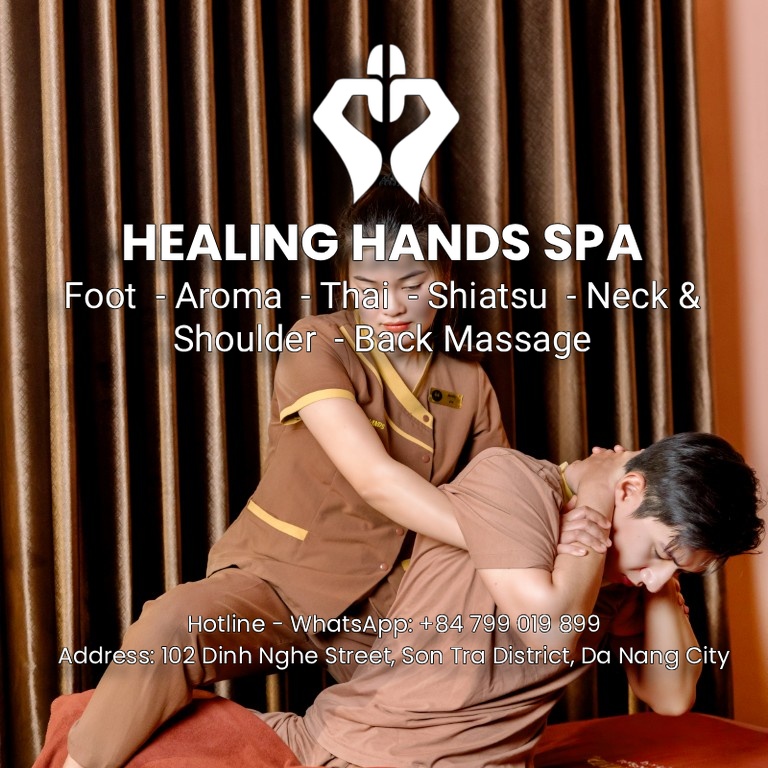
Ready to experience the transformative power of a professional full body massage? Book your session today at Healing Hands Spa and let our certified therapists guide you toward renewed vitality and balance. Your journey to holistic well‑being starts with a single appointment—don’t wait to feel the difference.