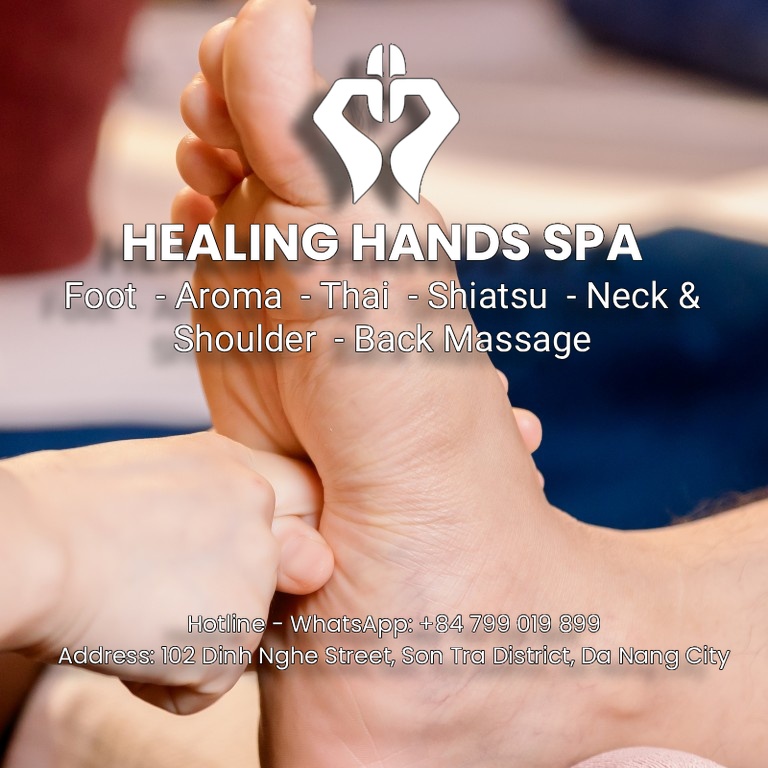
When the demands of training clash with the need for recovery, athletes often search for a solution that goes beyond conventional stretching or ice baths. Thai Massage for Athletes offers a holistic approach that blends deep tissue work, rhythmic stretching, and energy line stimulation to keep the body moving efficiently. In this article we explore why this ancient practice has become a modern staple in sports performance programs, what specific benefits it delivers, and how a typical session unfolds.
Why Athletes Choose Thai Massage
Rooted in Tradition, Adapted for Performance
Thai massage originated in Southeast Asia over 2,500 years ago, originally designed to balance the body’s energy pathways, known as sen lines. Today, sports physiologists recognize that these pathways correspond to fascial networks that influence muscle coordination and joint stability. By targeting these lines, Thai Massage for Athletes helps athletes maintain optimal alignment, reducing the risk of overuse injuries that can derail a season.
Complementary to Modern Training Methods
Most elite training programs incorporate strength work, cardio conditioning, and mobility drills. Thai massage fits seamlessly into this mix because it actively lengthens muscle fibers while simultaneously releasing tension in connective tissue. Unlike a static stretch that holds a position for 30 seconds, the therapist uses guided movements that mimic functional ranges of motion, making the benefits directly transferable to sport-specific actions.
Psychological Edge
Beyond the physical, the rhythmic pressure and mindful breathing practiced during a Thai massage trigger the parasympathetic nervous system. Athletes report lower cortisol levels, improved sleep quality, and a heightened sense of mental clarity after a session. This mental reset can be the difference between a focused training day and a distracted one.
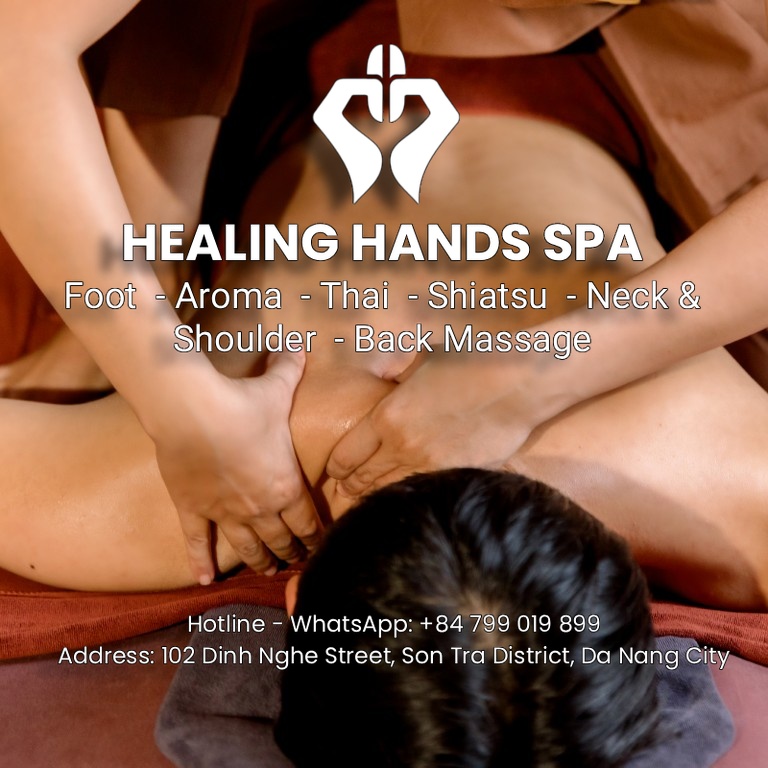
Key Benefits of Thai Massage for Athletic Performance
Accelerated Muscle Recovery
Intense workouts create micro‑tears in muscle fibers, which need oxygen‑rich blood to repair. The combination of compression, joint mobilization, and stretching in Thai massage enhances circulation, delivering nutrients faster and flushing metabolic waste such as lactic acid. Studies show that athletes who receive regular Thai massage experience a 15‑20% reduction in delayed‑onset muscle soreness (DOMS) compared to those who rely solely on passive rest.
Improved Flexibility and Range of Motion
Traditional static stretching often only addresses superficial muscles. Thai massage works deeper into the fascia, the connective tissue that encases muscles, tendons, and ligaments. By releasing fascial adhesions, athletes gain a smoother glide between muscle groups, translating to greater stride length for runners, higher vertical jumps for basketball players, and more fluid swings for golfers.
Injury Prevention and Rehabilitation
When an athlete returns from injury, scar tissue can limit movement and create compensatory patterns that strain other joints. Thai massage uses targeted pressure points to break down scar tissue and re‑educate the nervous system, encouraging proper biomechanics. This proactive approach reduces the likelihood of re‑injury and shortens the overall rehabilitation timeline.
Enhanced Core Stability
The core is more than just abdominal muscles; it includes the diaphragm, pelvic floor, and deep spinal stabilizers. Thai massage incorporates breathing techniques that engage the diaphragm while the therapist gently rocks the torso, reinforcing core activation patterns. A stronger core improves power transfer from the lower to the upper body, a critical factor in sports like rowing and martial arts.
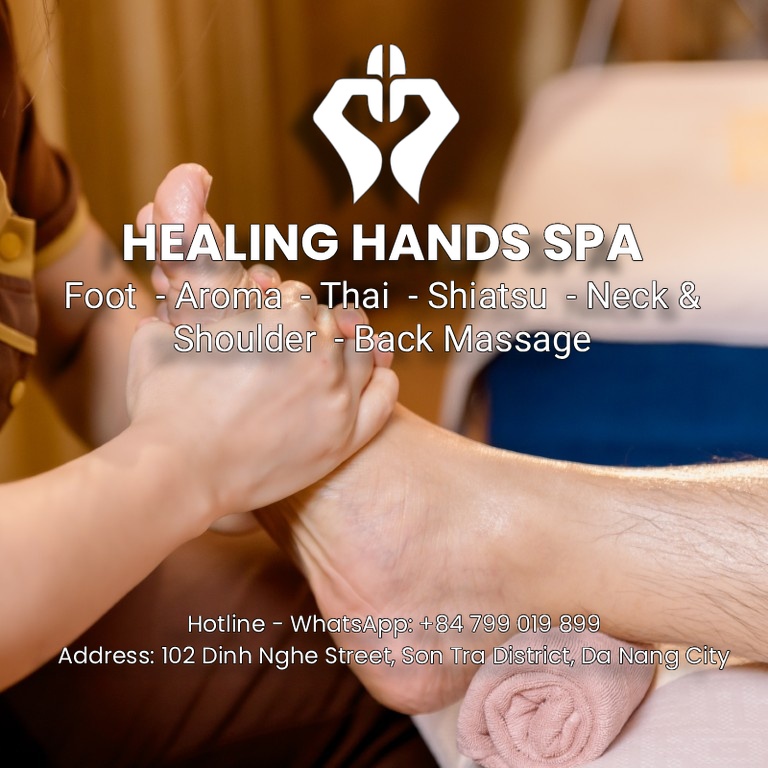
What to Expect During a Thai Massage Session
Preparation and Environment
Upon arrival, athletes are invited to change into comfortable clothing that allows full range of motion. The treatment room is typically quiet, dimly lit, and equipped with a low‑profile mat on the floor rather than a traditional massage table. This setup encourages the therapist to move the client through assisted yoga‑like positions, which is a hallmark of Thai massage.
Step‑by‑Step Session Flow
- Initial Assessment: The therapist asks about recent training loads, any sore spots, and specific performance goals.
- Warm‑up Strokes: Light rhythmic pressure along the sen lines awakens the nervous system and prepares muscles for deeper work.
- Targeted Stretching: Guided movements such as leg lifts, spinal twists, and shoulder rotations are performed while the therapist applies firm pressure with hands, elbows, or forearms.
- Deep Tissue Work: Focused compression on tight knots, trigger points, or areas of chronic tension helps release adhesions.
- Cool‑down and Breathing: The session ends with gentle rocking and deep breathing exercises to settle the nervous system.
Post‑Session Recommendations
After the massage, athletes are encouraged to hydrate, perform light mobility drills, and avoid intense strength training for at least an hour. Many practitioners suggest a short period of active recovery, such as a low‑intensity bike ride, to maximize the circulation boost gained during the session.
Healing Hands Spa
Address: 102 Dinh Nghe Street, An Hai Ward, Son Tra District, Da Nang City.
Hotline - WhatsApp: +84 799 019 899
Email: [email protected]
Open Hour: 10:00 – 22:30

Ready to experience the competitive advantage that Thai Massage for Athletes can provide? Contact Healing Hands Spa today to schedule your personalized session and start unlocking faster recovery, greater flexibility, and sharper focus on the field. Your best performance is just a massage away.