Understanding Thai Massage
History and Philosophy
Thai massage, often called the "art of lazy people," originated over 2,500 years ago in the temples of ancient Siam. It blends yoga‑like stretching, rhythmic pressure, and guided breathing to promote balance between the body’s energy lines, known as sen pathways. The practice reflects Buddhist principles of mindfulness, encouraging both the practitioner and the recipient to stay present in the moment. Over time, the technique spread across Asia and eventually reached the West, where it is now offered in spas, wellness centers, and boutique studios.
Core Techniques and What to Expect
A typical session lasts between 60 and 120 minutes, during which the therapist uses hands, elbows, knees, and even feet to apply pressure along the sen lines. The client remains fully clothed, usually in loose‑fitting yoga attire, allowing the therapist to move the body through a series of gentle stretches and rhythmic compressions. Unlike Swedish massage, which focuses primarily on superficial muscle relaxation, Thai massage works deeper into the connective tissue, aiming to release tension from joints, ligaments, and fascia.
Benefits That Attract Clients Worldwide
People turn to Thai massage for a variety of reasons: increased flexibility, reduced stress, improved circulation, and a heightened sense of energy flow. Research indicates that the combination of stretching and pressure can stimulate the parasympathetic nervous system, lowering cortisol levels and promoting a state of calm. Many clients also report relief from chronic aches, better posture, and a clearer mind after a well‑executed session.
Safety Concerns and Common Myths
Is Thai Massage Safe? Addressing the Core Question
The most frequent inquiry you’ll hear at a reception desk is, Is Thai massage safe? The answer is nuanced: when performed by a trained, certified therapist who follows proper hygiene and client‑screening protocols, Thai massage is generally safe for healthy adults. However, the intensity of the stretches and pressure can pose risks for certain individuals, especially those with pre‑existing medical conditions.
Common Myths That Can Mislead Clients
- Myth: Thai massage is only a gentle, relaxing experience.
- Fact: While many sessions are soothing, the technique can be quite vigorous, involving deep pressure and forceful stretches that may feel uncomfortable for the uninitiated.
- Myth: You can receive Thai massage regardless of health status.
- Fact: Certain conditions—such as osteoporosis, recent fractures, severe hypertension, or acute inflammation—require modifications or may contraindicate the practice altogether.
- Myth: All Thai massage therapists have the same level of training.
- Fact: Certification standards vary by country and even by state. Reputable schools often require 200+ hours of hands‑on training, anatomy study, and supervised practice.
Potential Risks When Safety Guidelines Are Ignored
When a therapist pushes beyond a client’s comfort zone, the most common injuries include muscle strains, joint sprains, and nerve irritation. In rare cases, improper manipulation of the spine or neck can lead to more serious complications, such as herniated discs or vascular issues. That is why a transparent pre‑session questionnaire and open communication are essential components of a safe practice.

How to Ensure a Safe Thai Massage Session
Choosing a Qualified Therapist
The first step toward a safe experience is verifying the therapist’s credentials. Look for certifications from recognized institutions such such as the Thai Traditional Medicine Association or accredited massage schools that follow the International Association of Massage Therapists (IAMT) guidelines. A reputable therapist will gladly share their training background, years of experience, and any continuing‑education courses they have completed.
Pre‑Session Communication and Health Screening
Before the massage begins, a thorough health screening should be conducted. The therapist should ask about recent surgeries, chronic illnesses, pregnancy, medication use, and any areas of pain or sensitivity. Clients are encouraged to be honest about their health status; this information helps the therapist adjust pressure, modify stretches, and avoid movements that could trigger injury.
During the Session: Signs of Discomfort to Watch For
Even a well‑trained therapist can misread a client’s limits if the client does not speak up. If you feel sharp pain, tingling, or dizziness, it is vital to communicate immediately. A safe practitioner will pause, reduce pressure, or change the technique without hesitation. Remember, a slight pulling sensation is normal during a stretch, but a stabbing pain is a clear warning sign.
Post‑Session Care for Continued Safety
After the massage, the therapist should provide after‑care recommendations. Staying hydrated helps flush metabolic waste released during the deep tissue work. Gentle movement, such as a short walk or light stretching, can prevent stiffness. If you notice lingering soreness or unusual symptoms, contact the therapist or a healthcare professional promptly.
When to Avoid Thai Massage
Medical Conditions That Require Caution
Individuals with the following conditions should either avoid Thai massage or seek a therapist experienced in therapeutic modifications:
- Severe osteoporosis or low bone density
- Acute inflammation, such as cellulitis or a recent sprain
- Uncontrolled hypertension or heart disease
- Pregnancy after the first trimester without specialized prenatal training
- Recent surgeries, especially spinal or joint procedures
In these cases, a lighter, more conventional massage style may be a safer alternative.
Pregnancy and Thai Massage
Pregnant clients can still enjoy the benefits of Thai massage, but only when the therapist is certified in prenatal techniques. Adjustments include avoiding deep pressure on the abdomen, limiting extreme stretches, and positioning the client in a side‑lying or semi‑reclined posture to maintain comfort and safety.
Age‑Related Considerations
Older adults often have reduced flexibility and may be more prone to joint issues. A therapist should tailor the session with gentler stretches, reduced pressure, and longer rest periods between movements. For children, Thai massage is generally not recommended unless performed by a specialist trained in pediatric bodywork.
Conclusion: Making an Informed Choice for a Safe Thai Massage Experience
Answering the question Is Thai massage safe? ultimately depends on the interplay of qualified instruction, client health status, and clear communication. By selecting a certified therapist, completing a thorough health screening, and staying attentive to your body’s signals, you can enjoy the many benefits of Thai massage while minimizing risk. Remember that safety is a shared responsibility—your therapist provides expertise, and you provide honest feedback.
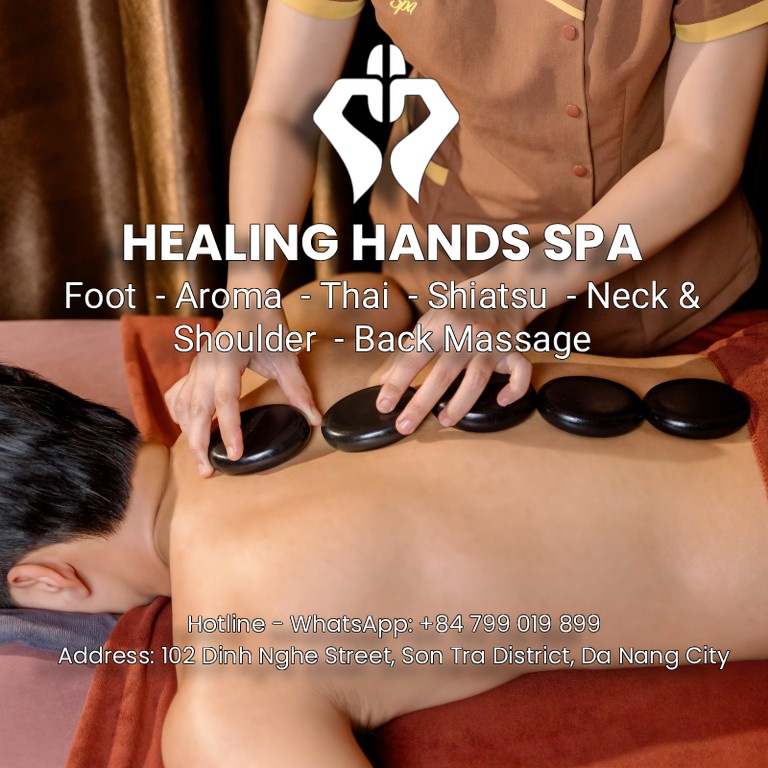
Healing Hands Spa
Address: 102 Dinh Nghe Street, An Hai Ward, Son Tra District, Da Nang City.
Hotline - WhatsApp: +84 799 019 899
Email: [email protected]
Open Hour: 10:00 – 22:30

Ready to experience a safe, revitalizing Thai massage? Book your session today and let our skilled practitioners guide you toward deeper relaxation, flexibility, and well‑being.